
BY
Santi Pereira
It’s never been harder to launch consumer brands. That’s exactly why I’m doing it
It’s never been harder to launch consumer brands. That’s exactly why I’m doing it
It’s never been harder to launch consumer brands. That’s exactly why I’m doing it
It’s never been harder to launch consumer brands. That’s exactly why I’m doing it
Starting with the obvious: consumers are exhausted.
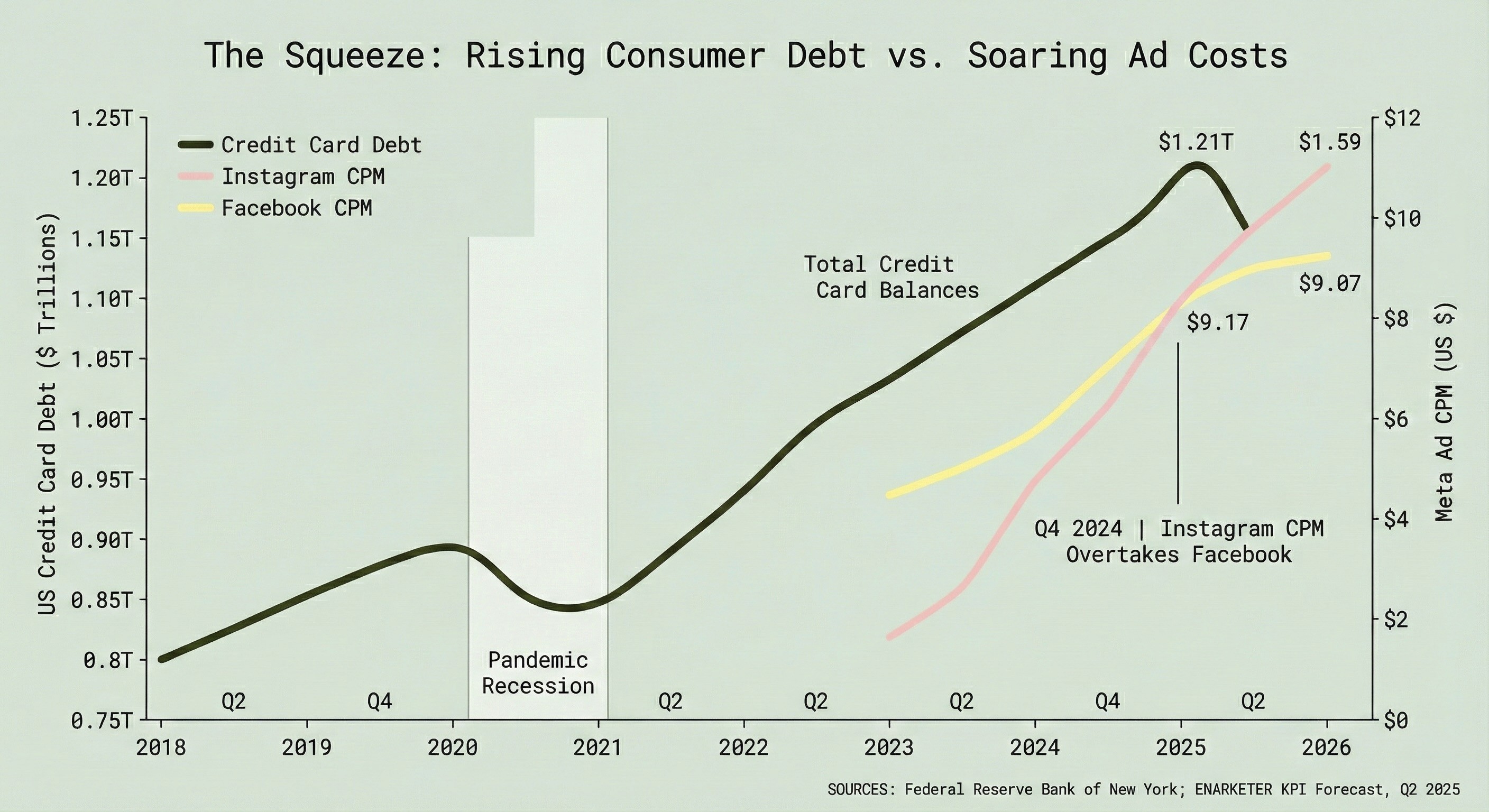
Credit card debt recently crossed the $1 trillion mark, and discretionary spending (the lifeblood of any consumer brands) is down 18% year over year.
At the same time, Instagram CPMs (how much I pay to show you the ads that you all hate) have climbed more than 40% since 2020, far outpacing wage growth and inflation.
So in short, yes, the market’s brutal. The oxygen is quite thin. But that’s also what makes things exciting again. For the first time in years, the brands that survive will be the ones that deserve to exist, not just the ones with the biggest wallet.
The Reckoning
We’re entering a necessary correction. A reckoning, dare I say.
For the past decade, “brand building” meant a pretty website, a soft launch PR story, and a hefty Facebook budget. It was easy to confuse ad performance with product market fit, and investor cash with operational strength.
Now, there’s nowhere to hide.
Tariffs are rising, shipping costs are back up, and even basic ingredients have skyrocketed. Whey protein isolate prices, the foundation for the protein everything boom, are up more than 20% since the start of 2025.
It’s clear that the old formula of fast capital and faster growth no longer works.
Selfishly, I think that’s a good thing.
Brands that were built for hype are evaporating. What’s left will be the ones with soul: real conviction, real connection, and real cost discipline.
The Reckoning
We’re entering a necessary correction. A reckoning, dare I say.
For the past decade, “brand building” meant a pretty website, a soft launch PR story, and a hefty Facebook budget. It was easy to confuse ad performance with product market fit, and investor cash with operational strength.
Now, there’s nowhere to hide.
Tariffs are rising, shipping costs are back up, and even basic ingredients have skyrocketed. Whey protein isolate prices, the foundation for the protein everything boom, are up more than 20% since the start of 2025.
It’s clear that the old formula of fast capital and faster growth no longer works.
Selfishly, I think that’s a good thing.
Brands that were built for hype are evaporating. What’s left will be the ones with soul: real conviction, real connection, and real cost discipline.
The Reckoning
We’re entering a necessary correction. A reckoning, dare I say.
For the past decade, “brand building” meant a pretty website, a soft launch PR story, and a hefty Facebook budget. It was easy to confuse ad performance with product market fit, and investor cash with operational strength.
Now, there’s nowhere to hide.
Tariffs are rising, shipping costs are back up, and even basic ingredients have skyrocketed. Whey protein isolate prices, the foundation for the protein everything boom, are up more than 20% since the start of 2025.
It’s clear that the old formula of fast capital and faster growth no longer works.
Selfishly, I think that’s a good thing.
Brands that were built for hype are evaporating. What’s left will be the ones with soul: real conviction, real connection, and real cost discipline.
The Reckoning
We’re entering a necessary correction. A reckoning, dare I say.
For the past decade, “brand building” meant a pretty website, a soft launch PR story, and a hefty Facebook budget. It was easy to confuse ad performance with product market fit, and investor cash with operational strength.
Now, there’s nowhere to hide.
Tariffs are rising, shipping costs are back up, and even basic ingredients have skyrocketed. Whey protein isolate prices, the foundation for the protein everything boom, are up more than 20% since the start of 2025.
It’s clear that the old formula of fast capital and faster growth no longer works.
Selfishly, I think that’s a good thing.
Brands that were built for hype are evaporating. What’s left will be the ones with soul: real conviction, real connection, and real cost discipline.
The Math of Meaning
The two numbers that matter most right now: COGS and SG&A.
It is the difference between what it costs to make the product and what it costs to feed the machine. You can think of SG&A as everything that isn’t the product itself. It is the sales team, the marketing retainers, and the corporate overhead. It is the machinery around the asset, not the asset itself.
And this is the real brand killer. Layers of management. Bloated teams. Duplicated vendors. These are costs that compound quietly and never come back down.
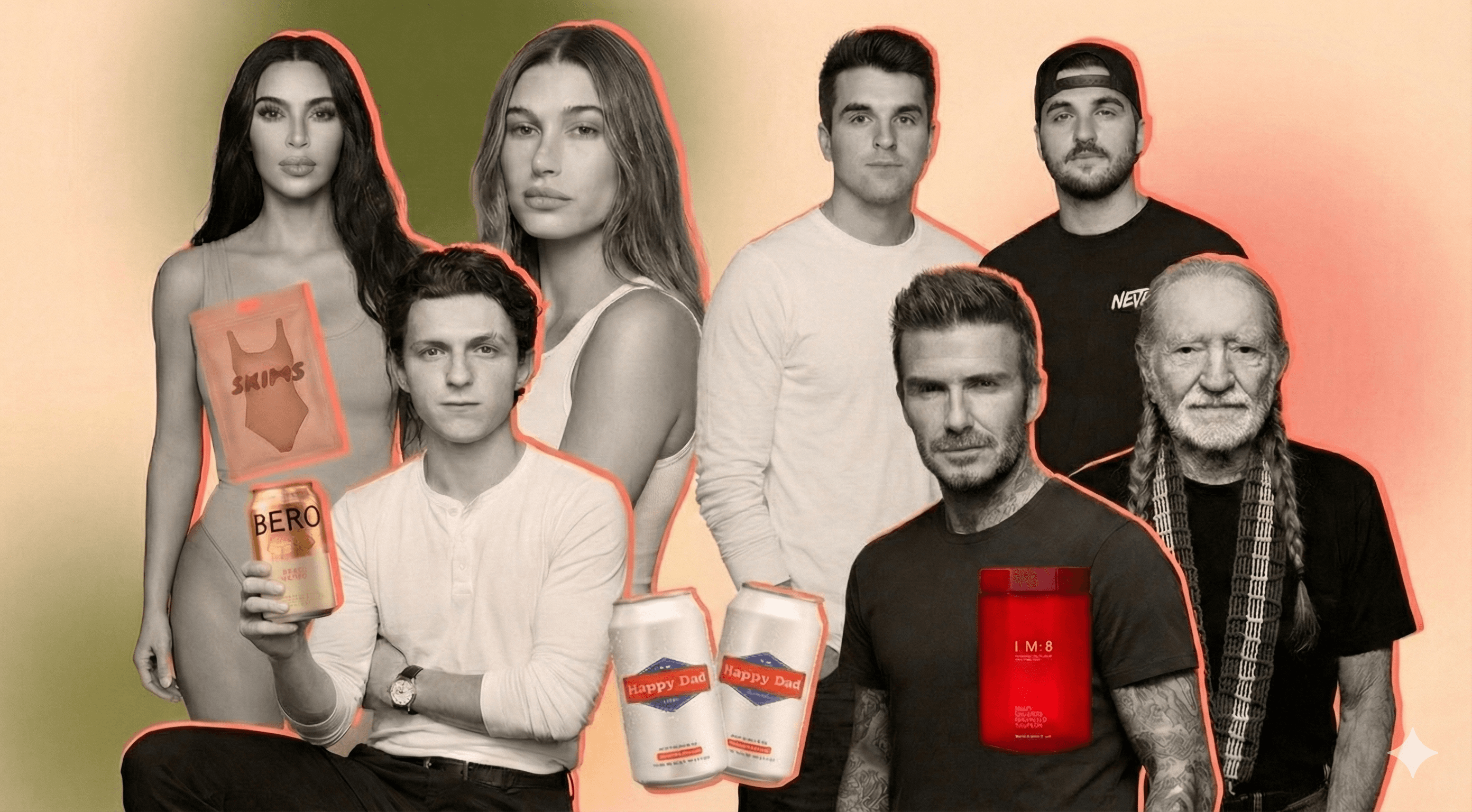
It is rare to get to take a peek under the hood of private celebrity brands, so when detailed financials for Hailey Bieber’s Rhode were released, everyone fixated on one headline figure: their 34% EBITDA margin. For a brand barely three years old, it was insane. But even wilder details sat deeper in the P&L.
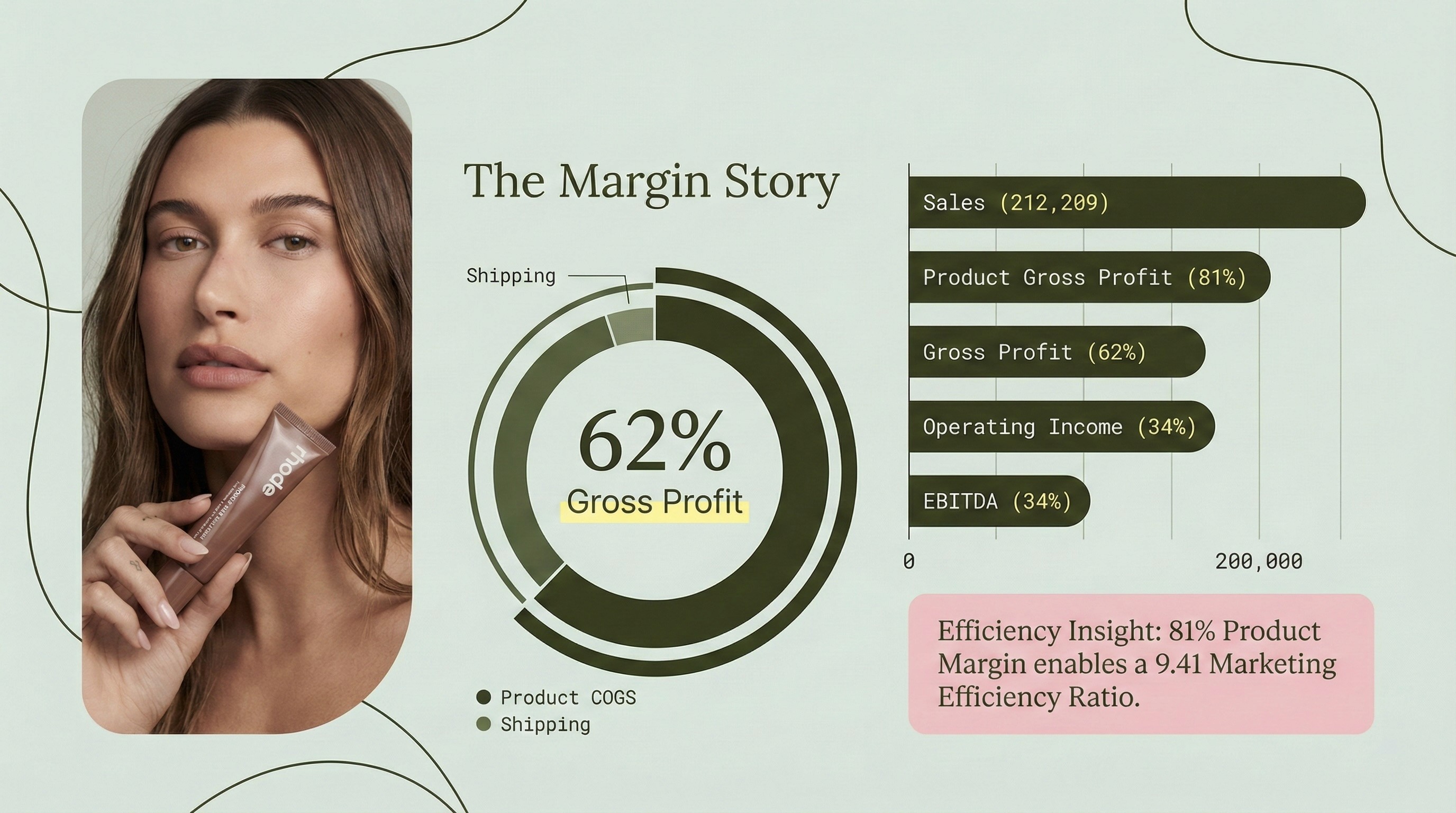
Rhode spent roughly 11% of revenue on marketing and kept COGS near 19%.
In an era when many DTC beauty brands burn 40 50% of revenue just to buy customers, Rhode did the opposite. They achieved an estimated 9× return on marketing.
The 19% COGS figure tells an equally aggressive story. Rhode engineered a $32 product that reportedly cost about $5.92 to produce. That is a manufacturing ratio that buys you freedom.
Most consumer brands carry SG&A north of 25%. Many creep past 40%. That is how you end up with a buzzy brand that looks successful on Instagram but quietly bleeds on every sale.
In our Brandissimo model, fixed overhead stays below 5%. It’s simple: fewer middlemen, no fancy Tribeca office, and partners who take equity over salary. Every dollar that doesn’t go to overhead goes into better packaging, better sourcing, and better creative.
The Math of Meaning
The two numbers that matter most right now: COGS and SG&A.
It is the difference between what it costs to make the product and what it costs to feed the machine. You can think of SG&A as everything that isn’t the product itself. It is the sales team, the marketing retainers, and the corporate overhead. It is the machinery around the asset, not the asset itself.
And this is the real brand killer. Layers of management. Bloated teams. Duplicated vendors. These are costs that compound quietly and never come back down.
It is rare to get to take a peek under the hood of private celebrity brands, so when detailed financials for Hailey Bieber’s Rhode were released, everyone fixated on one headline figure: their 34% EBITDA margin. For a brand barely three years old, it was insane. But even wilder details sat deeper in the P&L.
Rhode spent roughly 11% of revenue on marketing and kept COGS near 19%.
In an era when many DTC beauty brands burn 40 50% of revenue just to buy customers, Rhode did the opposite. They achieved an estimated 9× return on marketing.
The 19% COGS figure tells an equally aggressive story. Rhode engineered a $32 product that reportedly cost about $5.92 to produce. That is a manufacturing ratio that buys you freedom.
Most consumer brands carry SG&A north of 25%. Many creep past 40%. That is how you end up with a buzzy brand that looks successful on Instagram but quietly bleeds on every sale.
In our Brandissimo model, fixed overhead stays below 5%. It’s simple: fewer middlemen, no fancy Tribeca office, and partners who take equity over salary. Every dollar that doesn’t go to overhead goes into better packaging, better sourcing, and better creative.
The Math of Meaning
The two numbers that matter most right now: COGS and SG&A.
It is the difference between what it costs to make the product and what it costs to feed the machine. You can think of SG&A as everything that isn’t the product itself. It is the sales team, the marketing retainers, and the corporate overhead. It is the machinery around the asset, not the asset itself.
And this is the real brand killer. Layers of management. Bloated teams. Duplicated vendors. These are costs that compound quietly and never come back down.
It is rare to get to take a peek under the hood of private celebrity brands, so when detailed financials for Hailey Bieber’s Rhode were released, everyone fixated on one headline figure: their 34% EBITDA margin. For a brand barely three years old, it was insane. But even wilder details sat deeper in the P&L.
Rhode spent roughly 11% of revenue on marketing and kept COGS near 19%.
In an era when many DTC beauty brands burn 40 50% of revenue just to buy customers, Rhode did the opposite. They achieved an estimated 9× return on marketing.
The 19% COGS figure tells an equally aggressive story. Rhode engineered a $32 product that reportedly cost about $5.92 to produce. That is a manufacturing ratio that buys you freedom.
Most consumer brands carry SG&A north of 25%. Many creep past 40%. That is how you end up with a buzzy brand that looks successful on Instagram but quietly bleeds on every sale.
In our Brandissimo model, fixed overhead stays below 5%. It’s simple: fewer middlemen, no fancy Tribeca office, and partners who take equity over salary. Every dollar that doesn’t go to overhead goes into better packaging, better sourcing, and better creative.
The Math of Meaning
The two numbers that matter most right now: COGS and SG&A.
It is the difference between what it costs to make the product and what it costs to feed the machine. You can think of SG&A as everything that isn’t the product itself. It is the sales team, the marketing retainers, and the corporate overhead. It is the machinery around the asset, not the asset itself.
And this is the real brand killer. Layers of management. Bloated teams. Duplicated vendors. These are costs that compound quietly and never come back down.
It is rare to get to take a peek under the hood of private celebrity brands, so when detailed financials for Hailey Bieber’s Rhode were released, everyone fixated on one headline figure: their 34% EBITDA margin. For a brand barely three years old, it was insane. But even wilder details sat deeper in the P&L.
Rhode spent roughly 11% of revenue on marketing and kept COGS near 19%.
In an era when many DTC beauty brands burn 40 50% of revenue just to buy customers, Rhode did the opposite. They achieved an estimated 9× return on marketing.
The 19% COGS figure tells an equally aggressive story. Rhode engineered a $32 product that reportedly cost about $5.92 to produce. That is a manufacturing ratio that buys you freedom.
Most consumer brands carry SG&A north of 25%. Many creep past 40%. That is how you end up with a buzzy brand that looks successful on Instagram but quietly bleeds on every sale.
In our Brandissimo model, fixed overhead stays below 5%. It’s simple: fewer middlemen, no fancy Tribeca office, and partners who take equity over salary. Every dollar that doesn’t go to overhead goes into better packaging, better sourcing, and better creative.
Trust Is the New Oil
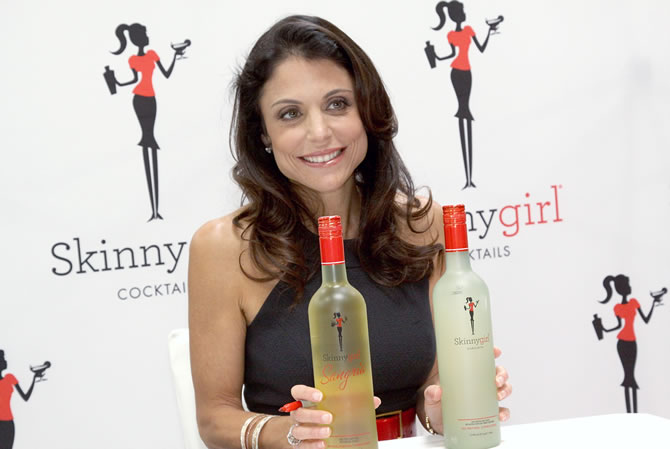
Bethenny Frankel put it succinctly while visiting Harvard Business School: Trust is the new oil.
And data backs her up: 68% of Gen Z say they are more likely to buy from a brand with a visible founder.
But here is the reality: you cannot monetize that trust if you are drowning in operational bloat.

That’s why we’re betting on businesses that can generate organic attention, where the founder or creative partner has something real to say, and the brand grows because people care, not because a paid campaign told them to.
We’re building brands with creators who live their product. Brands that can stand on their own without being propped up by Facebook ads.
Trust Is the New Oil
Bethenny Frankel put it succinctly while visiting Harvard Business School: Trust is the new oil.
And data backs her up: 68% of Gen Z say they are more likely to buy from a brand with a visible founder.
But here is the reality: you cannot monetize that trust if you are drowning in operational bloat.
That’s why we’re betting on businesses that can generate organic attention, where the founder or creative partner has something real to say, and the brand grows because people care, not because a paid campaign told them to.
We’re building brands with creators who live their product. Brands that can stand on their own without being propped up by Facebook ads.
Trust Is the New Oil
Bethenny Frankel put it succinctly while visiting Harvard Business School: Trust is the new oil.
And data backs her up: 68% of Gen Z say they are more likely to buy from a brand with a visible founder.
But here is the reality: you cannot monetize that trust if you are drowning in operational bloat.
That’s why we’re betting on businesses that can generate organic attention, where the founder or creative partner has something real to say, and the brand grows because people care, not because a paid campaign told them to.
We’re building brands with creators who live their product. Brands that can stand on their own without being propped up by Facebook ads.
Trust Is the New Oil
Bethenny Frankel put it succinctly while visiting Harvard Business School: Trust is the new oil.
And data backs her up: 68% of Gen Z say they are more likely to buy from a brand with a visible founder.
But here is the reality: you cannot monetize that trust if you are drowning in operational bloat.
That’s why we’re betting on businesses that can generate organic attention, where the founder or creative partner has something real to say, and the brand grows because people care, not because a paid campaign told them to.
We’re building brands with creators who live their product. Brands that can stand on their own without being propped up by Facebook ads.
A Branding Kamikaze?
The next decade of consumer brands won’t be about who can raise the most, but who can operate the leanest and resonate the deepest.
It will be about supply chain relationships that actually secure pricing power, operating models that turn SG&A from bloat into an advantage, and founders who see brand not as marketing, but as craft.
We run our portfolio with an iron fist, not out of austerity, but out of respect for the brands themselves. Every dollar saved on overhead is a dollar we can spend on originality, sustainability, or design that lasts.
So why launch more brands, not fewer, when everyone else is pulling back?
Because we believe this reset is a generational opportunity. A clearing of the noise.
We are proving that a creative, disciplined model can scale without losing its soul.
Today we have four brands in production across wellness, apparel, beauty, and food, each built for longevity, not launch day hype. And more are on the way.
It’s harder than ever. And that’s exactly why it matters.
A Branding Kamikaze?
The next decade of consumer brands won’t be about who can raise the most, but who can operate the leanest and resonate the deepest.
It will be about supply chain relationships that actually secure pricing power, operating models that turn SG&A from bloat into an advantage, and founders who see brand not as marketing, but as craft.
We run our portfolio with an iron fist, not out of austerity, but out of respect for the brands themselves. Every dollar saved on overhead is a dollar we can spend on originality, sustainability, or design that lasts.
So why launch more brands, not fewer, when everyone else is pulling back?
Because we believe this reset is a generational opportunity. A clearing of the noise.
We are proving that a creative, disciplined model can scale without losing its soul.
Today we have four brands in production across wellness, apparel, beauty, and food, each built for longevity, not launch day hype. And more are on the way.
It’s harder than ever. And that’s exactly why it matters.
A Branding Kamikaze?
The next decade of consumer brands won’t be about who can raise the most, but who can operate the leanest and resonate the deepest.
It will be about supply chain relationships that actually secure pricing power, operating models that turn SG&A from bloat into an advantage, and founders who see brand not as marketing, but as craft.
We run our portfolio with an iron fist, not out of austerity, but out of respect for the brands themselves. Every dollar saved on overhead is a dollar we can spend on originality, sustainability, or design that lasts.
So why launch more brands, not fewer, when everyone else is pulling back?
Because we believe this reset is a generational opportunity. A clearing of the noise.
We are proving that a creative, disciplined model can scale without losing its soul.
Today we have four brands in production across wellness, apparel, beauty, and food, each built for longevity, not launch day hype. And more are on the way.
It’s harder than ever. And that’s exactly why it matters.
A Branding Kamikaze?
The next decade of consumer brands won’t be about who can raise the most, but who can operate the leanest and resonate the deepest.
It will be about supply chain relationships that actually secure pricing power, operating models that turn SG&A from bloat into an advantage, and founders who see brand not as marketing, but as craft.
We run our portfolio with an iron fist, not out of austerity, but out of respect for the brands themselves. Every dollar saved on overhead is a dollar we can spend on originality, sustainability, or design that lasts.
So why launch more brands, not fewer, when everyone else is pulling back?
Because we believe this reset is a generational opportunity. A clearing of the noise.
We are proving that a creative, disciplined model can scale without losing its soul.
Today we have four brands in production across wellness, apparel, beauty, and food, each built for longevity, not launch day hype. And more are on the way.
It’s harder than ever. And that’s exactly why it matters.


We are more than an agency. We are a global collective focused on bringing creativity and innovation to consumer brands. We leverage our deep experience to partner with industry leaders and inspired brands, bringing big ideas to life and moving business forward.
©2026 Brandissimo.us
Let's Chat
hello@brandissimo.us
Careers & Applications
hiring@brandissimo.us
We are more than an agency. We are a global collective focused on bringing creativity and innovation to consumer brands. We leverage our deep experience to partner with industry leaders and inspired brands, bringing big ideas to life and moving business forward.
Let's Chat
hello@brandissimo.us
Careers & Applications
hiring@brandissimo.us
©2026 Brandissimo.us