
BY
David Sackler
Influencer and personality driven product launches are no longer a novelty. They are now more and more common in consumer packaged goods. Creators, athletes, entertainers, and public figures aren't just endorsing products, they're founding companies, raising institutional capital, striking equity deals, and, in some cases, building businesses that rival legacy brands in popularity and, in some cases, scale.
Yet for all the momentum, the failure rate of personality based brands remains remarkably high. The reason is not awareness and reach, its product and personality fit, execution, and alignment. The belief that personality and influence build distribution is only able to stand when trust is a cornerstone of the business, because influence alone can shorten the time to achieve awareness, but it does not manufacture belief in the product and an organic connection to the personality itself.
Audiences follow personalities for specific reasons, whether it be for guidance in fitness, beauty, discipline, humor, creativity, parenting, even just for aspirational purposes. When a product emerges that feels like a natural extension of that identity, consumers lean in. When it feels bolted on, a money grab rather than an expression of beliefs or lived experience, skepticism and distrust is immediate and can be irrevocable, leading to failure.
This distinction is unforgiving in ingestible and topical CPG categories, especially nutrition, topicals, and food. With products that are consumed, absorbed, or used daily and become a part of the consumer's longevity lifestyle and health and wellness journey, credibility isn’t a marketing concept, it’s integral to the product. The stakes are higher in nutrition, topicals, and food as they are trust products. The connection the consumer has with the personality, and the trust in that connection gives the product its initial credibility and confirms the trust that the product is made with quality and safety, is good and not harmful, and does what the consumer is being told the product does. In nutrition, formulation efficacy, taste, and compliance are non negotiable. In topicals, stability, sensory experience, and tolerance matter immediately. In food, flavor repeatability, price value perception, and supply chain reliability determine survival.
For personalities, now more than ever, equity, not simply endorsement, has become the credibility signal, and one that also allows for a greater payday. When Tom Brady partners with Aescape, or Dua Lipa co founds Frame Reformer, or Novak Djokovic partners in Cob popcorn, the message is the same: incentives, timelines, and reputational risk are aligned and that alignment matters most in CPG, where trust compounds slowly and breaks quickly. To further ensure a successful opportunity, the personality becoming a partner or founder aligning with an experienced operator is a critical hidden multiplier. When the personality is paid upfront and invariably is or becomes disengaged, the operators absorb all long term risk. When personalities and operators are aligned on equity, accountability, and timelines, decision making improves, shortcuts disappear, and the benefits of an organic relationship and product/brand connection increase viability, and likely, value. For the personality, this is also evidenced when they actually use the product, their involvement is from the conception of the product and continues long after the product launch, seemingly making the personalities reputation and the product performance inseparable. The operators having the trust and authority to make key decisions in the manufacturing and operational day to day to allow for a seamless, more effectively run, and likely successful product and organization. Ingestible and topical categories demand this level of trust between founders, operators, and consumers.

Authenticity and category fit are now being priced in the consumer and financial markets in real time. The most important shift happening right now isn’t just more creator brands or who is behind them, it’s who’s getting in front of them: financial capital, retail partners, and consumers are actively rewarding alignment.
For example:
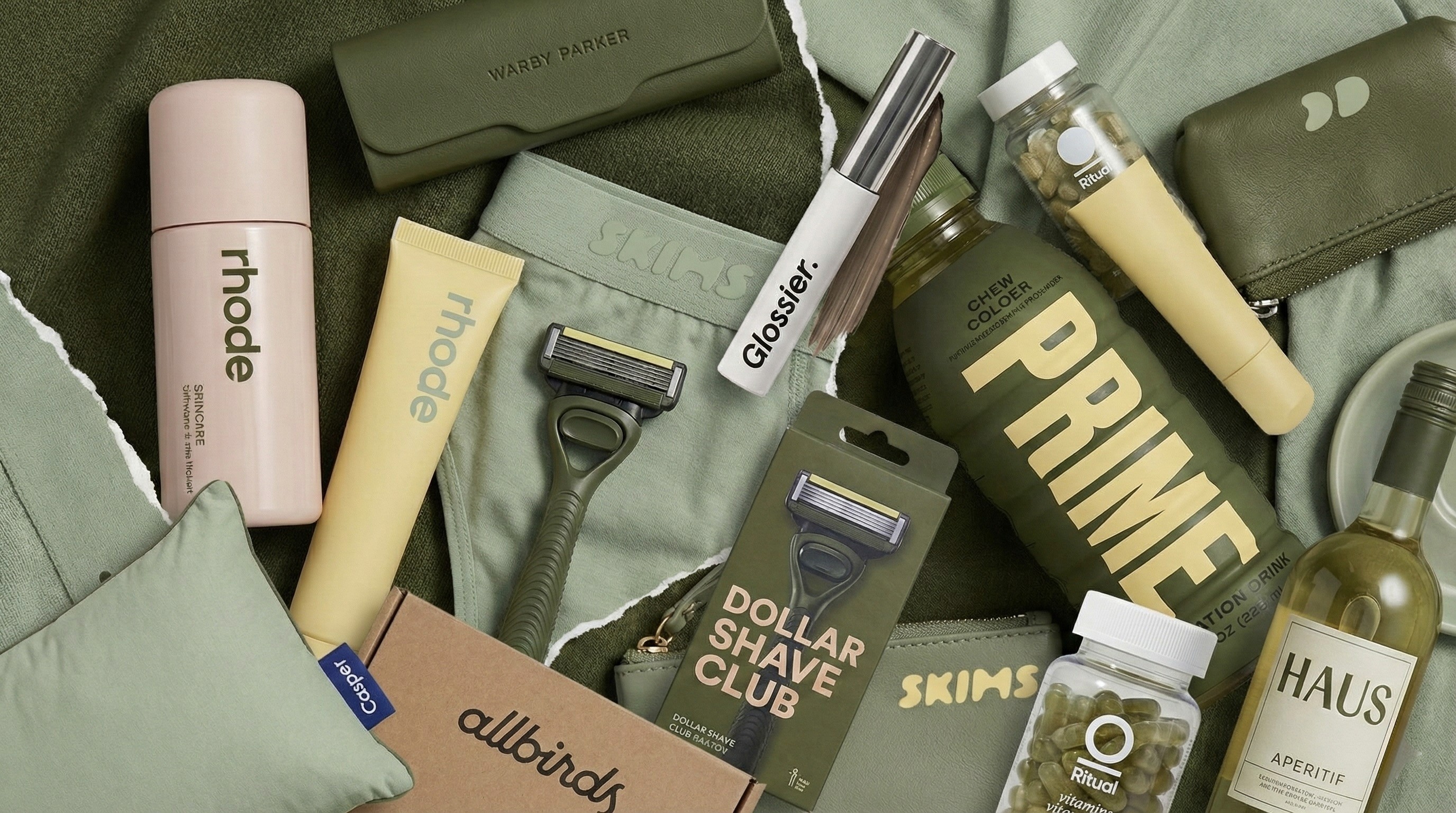
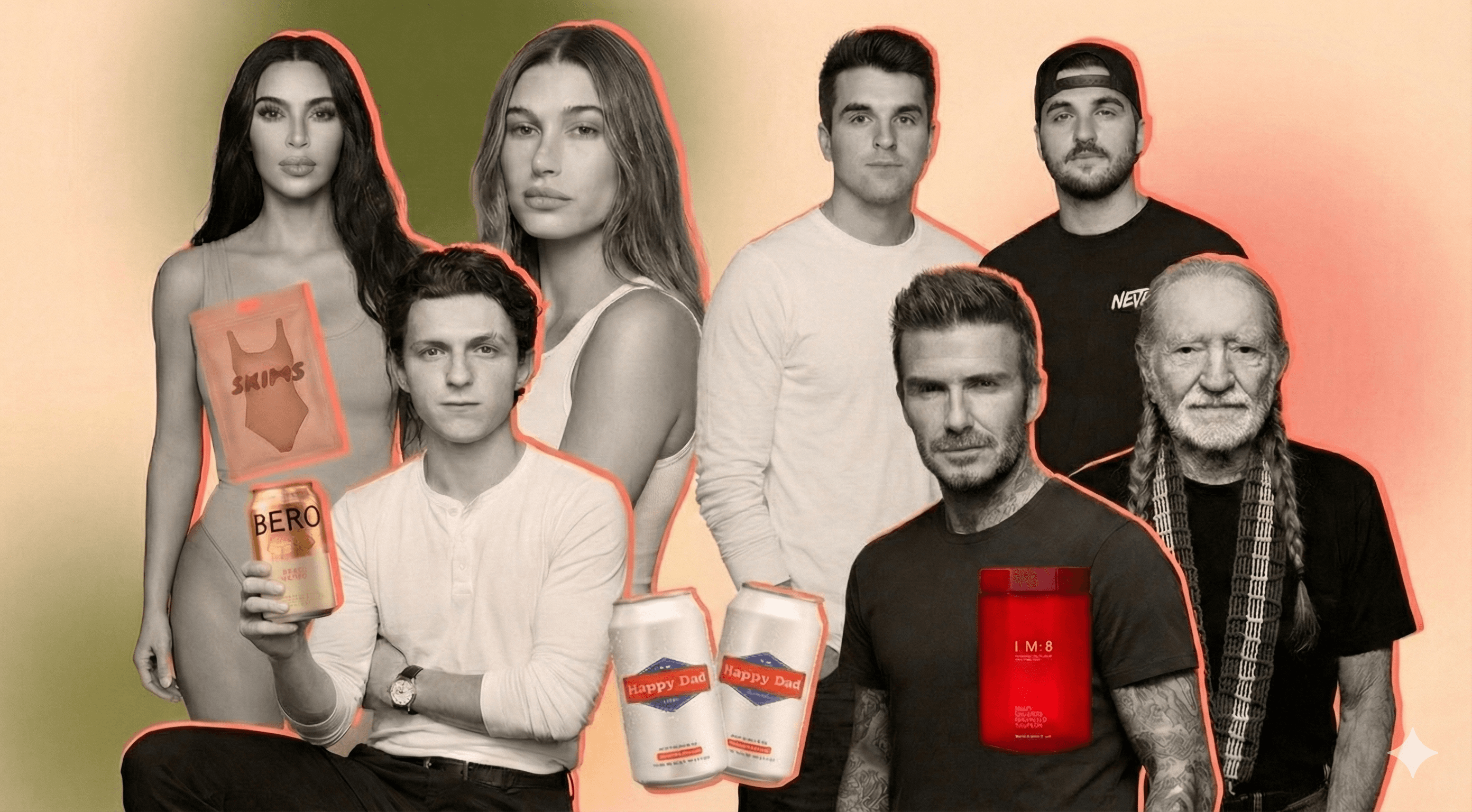
SKIMS, founded by Kim Kardashian, remains the benchmark, specifically in soft goods/apparel. Fashion, fit, and body confidence were central to her identity long before the first SKU existed. The brand recently raised $225M at a $5B valuation because it isn’t perceived as a ‘celebrity project’, it’s viewed as a durable operating business.
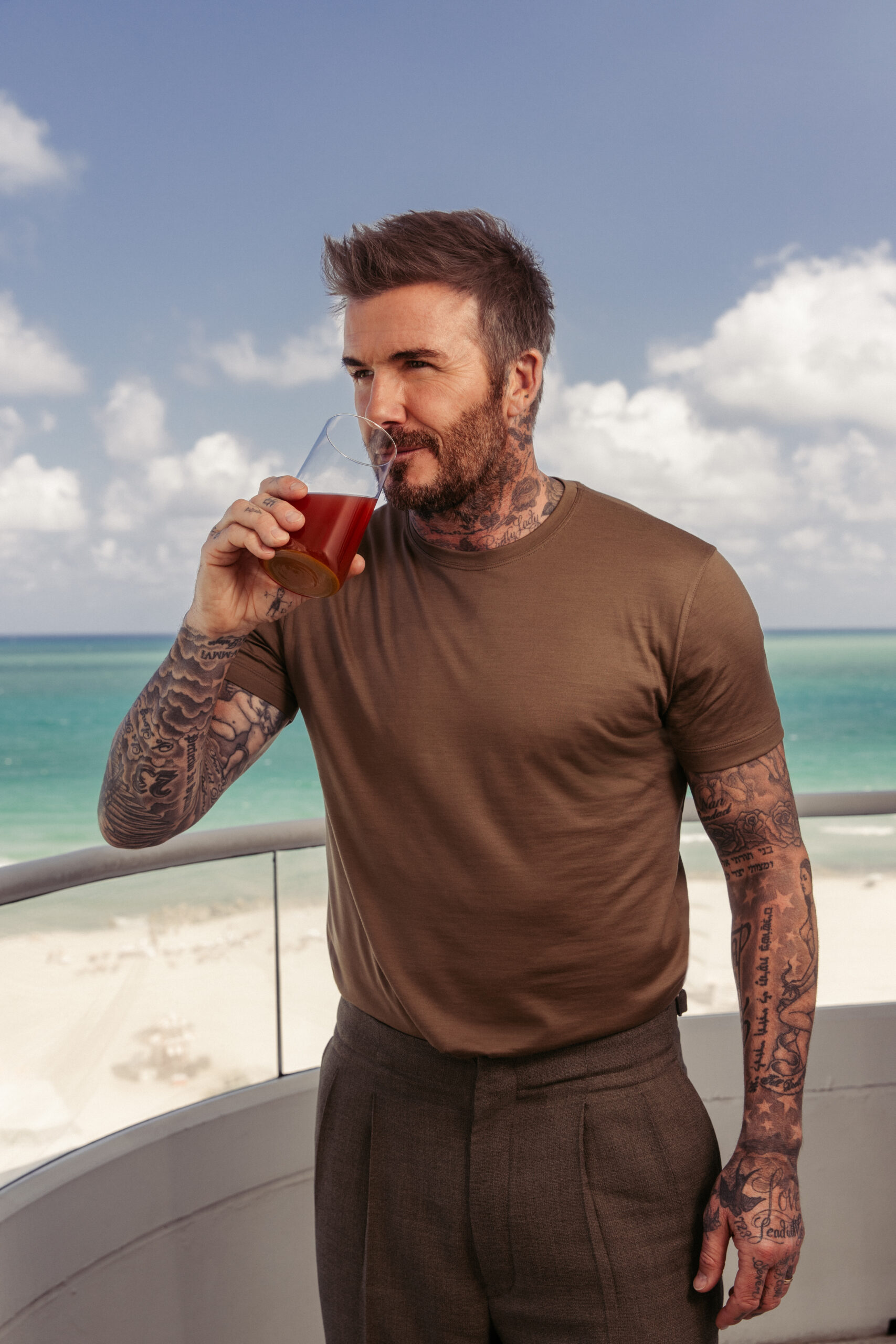
The same pattern is playing out across wellness and nutrition. IM8 Health, associated with David Beckham, reportedly reached $100M ARR in under a year. Fitness, discipline, and longevity weren’t invented for the brand, they were already embedded in the personality/founder’s public life.
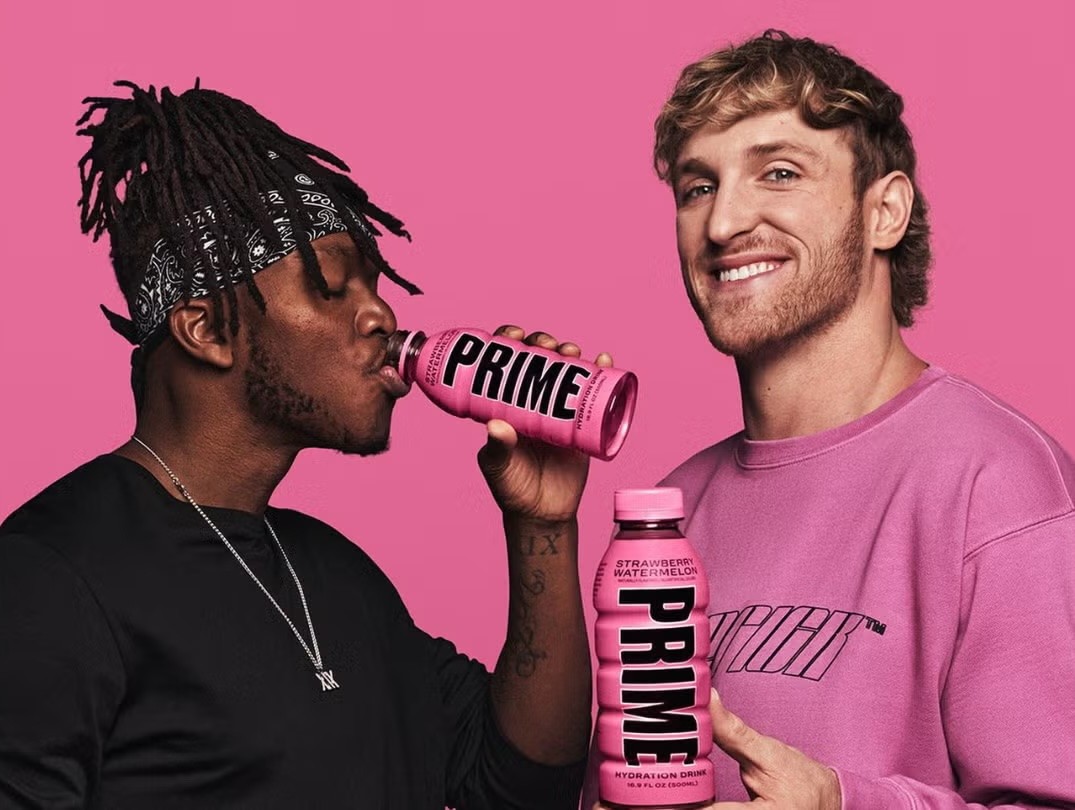
At scale, Congo Brands, which owns Prime and Alani Nutrition demonstrates what happens when personality, product, formulation, branding, and community remain aligned over time: an estimated $1.3B annual run rate and category leadership.
These aren’t hype cycles. They’re signals that personality and product fit are now being priced into valuation and sales growth expectations.
New and recent launches further confirm that the market is no longer rewarding novelty for novelty’s sake, and that a natural and organic personality and brand/product connection is critical.
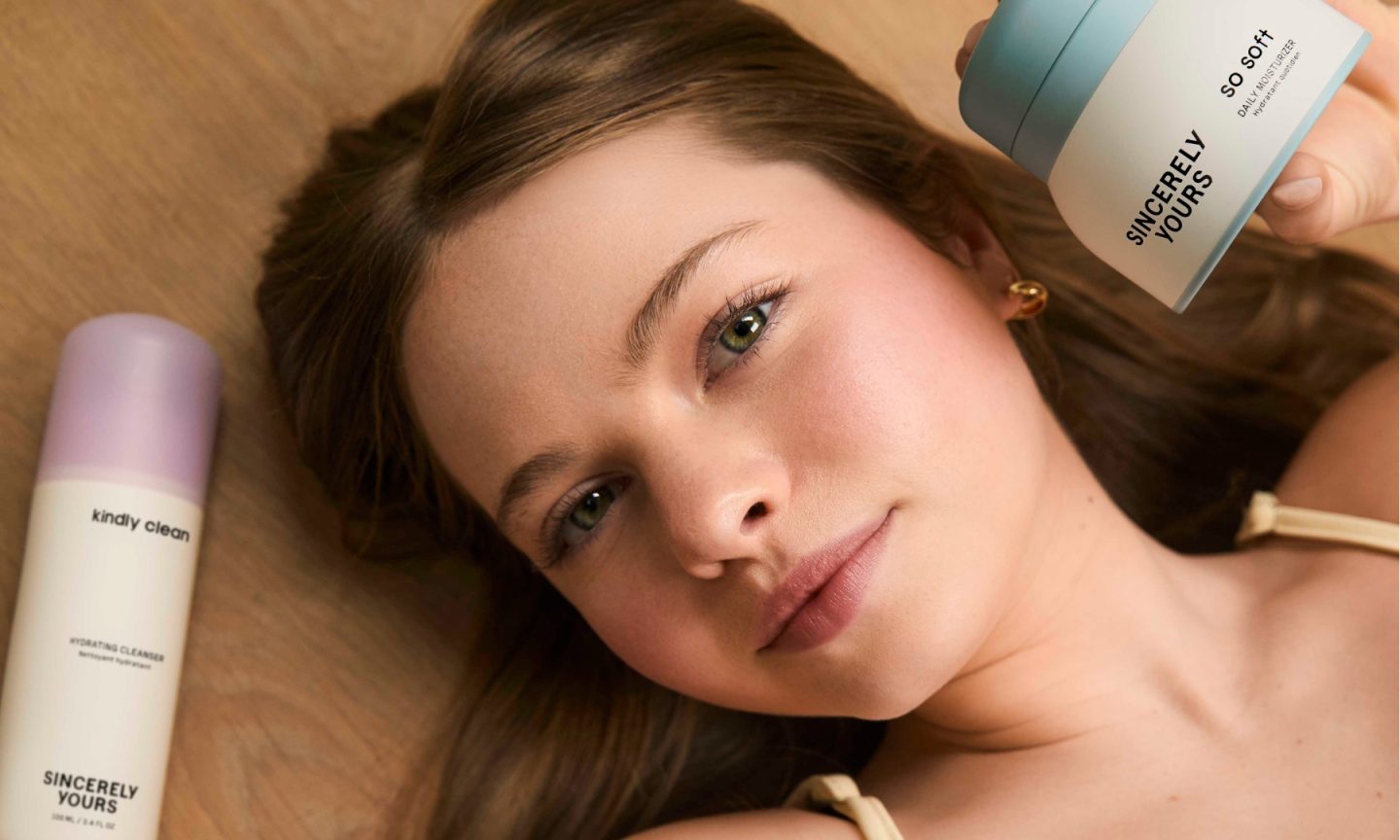
Charlie Sheen's Wild AF Brewing (non alcoholic beer) aligns with his own radical personal lifestyle change, a critical credibility factor in non alcoholic beverages. Ben Stiller's Stiller’s Soda draws directly from NYC childhood nostalgia, anchoring the product in story rather than trend. Shay Mitchell launching a kids' skincare line reflects a natural adjacency to parenting and lifestyle content. Salish Matter's Gen Alpha skincare brand works precisely because it understands who it’s for, and who it’s not.
Across all categories, the commonality is clear in that the product doesn’t ask the consumer to suspend disbelief.
Financial capital is chasing coherence, not just proximity to fame, as funding rounds reinforce the same thesis. For example, Bryan Johnson raised $60M from 50 celebrity investors because longevity is not a side project, it’s the core of his identity. Courteney Cox’s Homecourt raised $8M by grounding home care in wellness routines, not simply lending her name and image for a sparkle of celebrity. Even beverage extensions like Kylie Jenner’s Sprinter vodka soda reflect investor confidence in coherent lifestyle ecosystems rather than one off endorsements.